
Sell the Feeling: Turning Your Lodge’s Setting into a Reason to Book
23rd November 2026
Tharene Van der Spuy
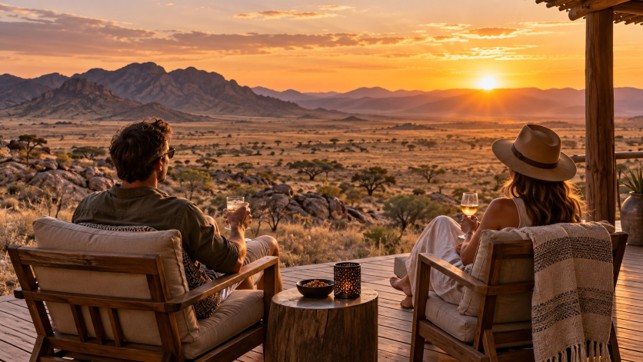
A photograph of a beautiful landscape can make someone pause. The next step is helping them imagine being there. For a lodge in Namibia or elsewhere in Southern Africa, that means describing what a guest can actually experience: coffee before a guided morning walk, a quiet afternoon watching the landscape, or a sundowner after a day of exploring.
Booking.com’s travel predictions for 2027, published in October 2026, point towards this kind of thinking. In its international survey, 81% of respondents said they would choose a destination based on how they wanted to feel. That is a statement of travel intention, rather than proof of bookings, but it offers a useful prompt for reviewing how a property presents itself. [1]
Make the experience specific
Start with one experience your property can deliver consistently. Replace broad descriptions such as ‘an unforgettable escape’ with useful detail about the setting, the activity and the pace. A couple seeking time together may respond to a private deck and an unhurried breakfast. A family may need to know which activities suit children and how much driving is involved.
A lodge could describe a two-night stay built around a guided nature walk and time to relax between activities. Explain which elements are included, which require advance booking, and what depends on conditions or availability. Specific information helps guests decide whether the experience fits them.
Use what makes your property distinctive
You do not need a new facility for every new package. Consider the experiences already available through your team and local partners. A guide’s knowledge of the area, a comfortable place to watch the sunset or good advice on a self-drive route may deserve more space on your website.
Ask colleagues what visitors most often mention when they leave. Look for recurring details, then check that your descriptions and photographs reflect them honestly. Avoid promising guaranteed wildlife sightings or complete privacy where you cannot provide them.
Carry the promise into the reservation
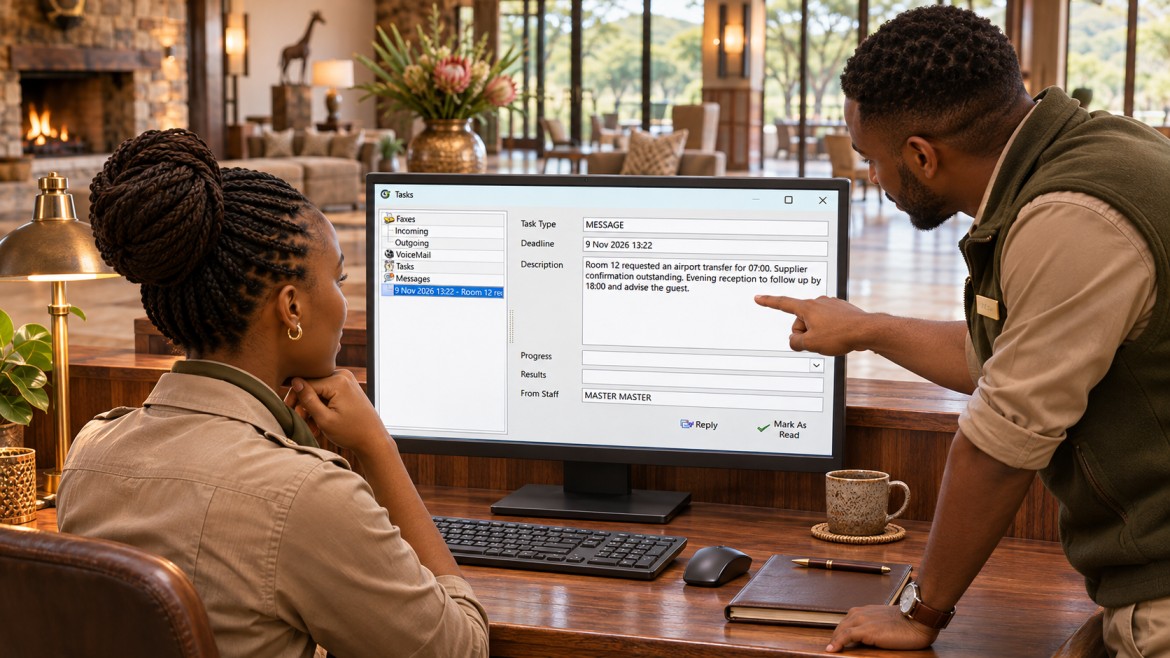
Once a guest books, the information needs to reach the people delivering the stay. Confirm relevant preferences and practical requirements, record agreed arrangements, and make sure the responsible team knows what has been promised. Ask only for information that is useful to the booking.
CiMSO’s INNkeeper brings reservations and front-office processes into a connected management environment. That operational foundation supports a straightforward goal: helping staff work from accurate booking information as they prepare for the guest’s arrival.
Start with one page
Choose one room description or package and read it as a prospective guest. Can you picture the experience? Are the inclusions and limitations clear? Does the reservation team know how to arrange it? A stronger description earns its place when your team can deliver what it promises.

Nov. 23, 2026
Behind Every Successful Golf Day is a Connected Team
Nov. 23, 2026
The Shift Changes. The Guest’s Experience Should Continue.
Nov. 23, 2026
Sell the Feeling: Turning Your Lodge’s Setting into a Reason to Book

Nov. 13, 2026
A Better Round Starts on the Tee Sheet

Nov. 12, 2026
When Booking Details Become Bait: Protecting Guest Trust Before Arrival

Nov. 12, 2026
Beyond the Welcome Email: A New Member’s First 30 Days

Oct. 22, 2026
Get Ready for CiMSO Live Namibia 2026!
Oct. 22, 2026
Sleep Tourism: An Opportunity for Nature-Based Properties?

Oct. 20, 2026
Golf’s Five Million Acres: More Than Just Fairways
Oct. 17, 2026
A Taste to Take Home
Oct. 17, 2026
When Sustainability Becomes Smart Golf Course Management: Lessons from Operation Pollinator
Sep. 22, 2026