

Golf’s Five Million Acres: More Than Just Fairways
20th October 2026
Tharene Van der Spuy
Golf courses cover approximately five million acres worldwide. Beyond providing a place to play, these landscapes can offer environmental, social and economic benefits when managed responsibly.
A recent article from the Asian Golf Industry Federation (AGIF) highlights The Sustainable Sport, a new book by golf course architect Forrest Richardson. The book explores golf’s contribution to communities and challenges common perceptions about its environmental footprint, particularly water use.
Making Every Drop Count
According to research cited in the article, US golf courses have reduced their water use by 30% over the past two decades. Improved irrigation technology and evolving maintenance practices have helped courses use water more efficiently.
Richardson also explains how turfgrass and soil can help filter water, including treated wastewater used for irrigation. Golf courses near homes and businesses can also help manage and filter urban runoff.
Putting Responsible Management into Practice
The article highlights the importance of considering golf’s environmental impact alongside its broader community and economic value.
For club managers, this offers a practical starting point: measure water consumption, review irrigation practices and identify opportunities to conserve resources. Sharing measurable progress can also help members understand the work involved in caring for their course.
Adapted from “Benefits of Golf’s Five Million Acres” by the Asian Golf Industry Federation.
Oct. 20, 2026
Golf’s Five Million Acres: More Than Just Fairways
Oct. 17, 2026
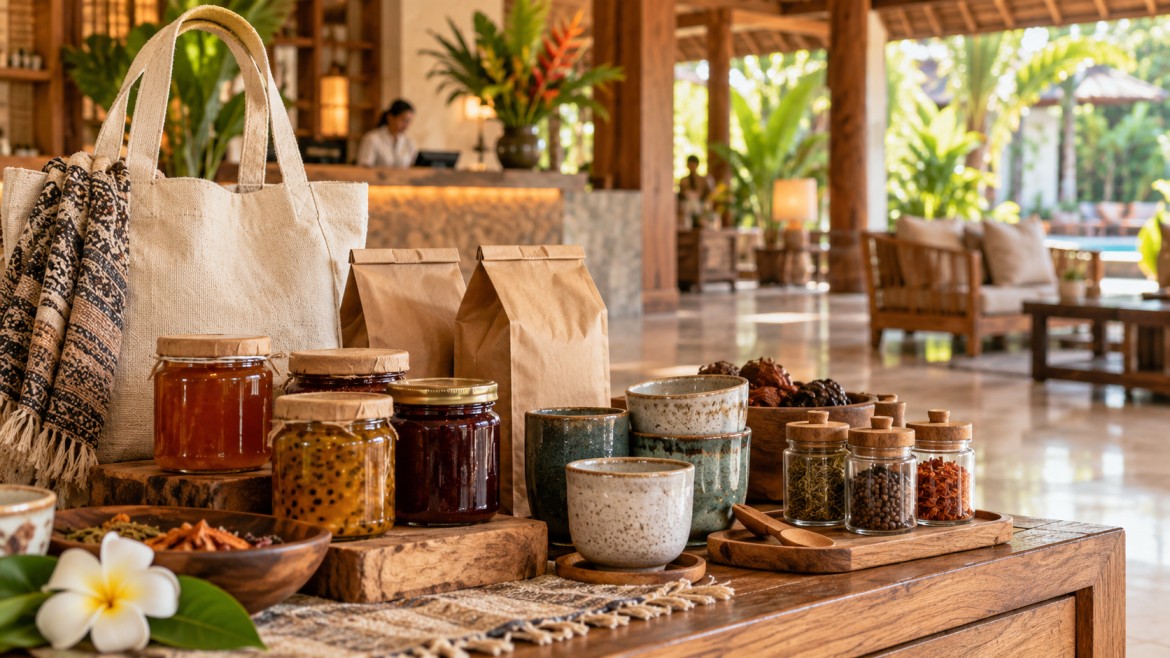
A Taste to Take Home

Oct. 17, 2026
When Sustainability Becomes Smart Golf Course Management: Lessons from Operation Pollinator

Sep. 22, 2026
The Most Interesting Hospitality Innovations Shaping Africa in 2026

Sep. 21, 2026
Africa’s Golf Tourism Opportunity: Is Your Club Ready for the International Golfer?

Sep. 18, 2026
From Gift to Green Fee: Why Golf Clubs Need Better Voucher Management

Sep. 18, 2026
Your Voice Shapes the Conversation: Turning Your Feedback Into Solutions

Aug. 28, 2026
Multi-Currency Hospitality & Golf Management in Southern Africa

Aug. 24, 2026
Sustainable Procurement: Can Your Property Track What It Buys?

Aug. 20, 2026
10 Common Hospitality & Golf Software Implementation Mistakes (and How to Avoid Them)

Aug. 20, 2026
Implementing CiMSO Successfully: Why Project Management Is Critical

Jul. 24, 2026